Is 40 Too Late to Start Training?
Maybe you've watched your kids train, or a coworker keeps talking about it, and you've wondered whether the mats are only for people in their twenties. Starting jiu-jitsu after 40 is more common than most people expect, and the real question is usually how to start, not whether you can.
Adults who walk into Gracie Barra Aliso Viejo for the first time in their forties or fifties tend to share the same concerns: fitness, injuries, and fear of looking lost. This guide covers what those first months usually look like and what to adjust when you begin later in life.
DISCOVER Gracie Barra Aliso Viejo
CLICK HEREWhat Starting Jiu-Jitsu After 40 Actually Looks Like
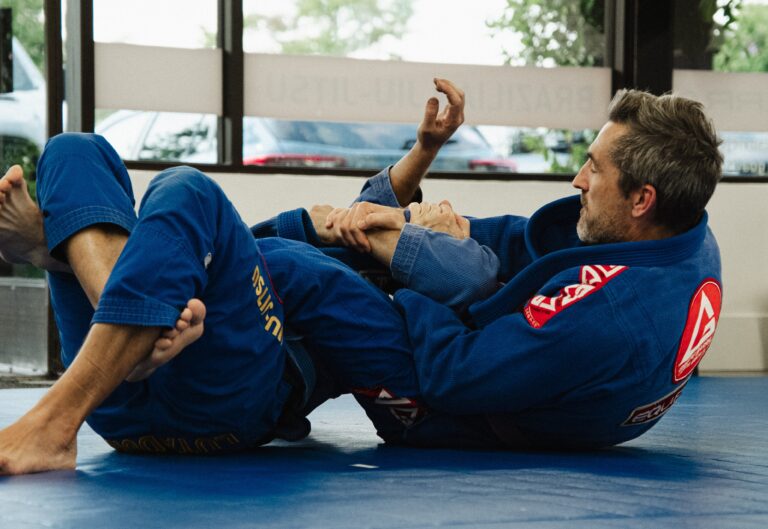
Everyone starts as a white belt, whether they are 18 or 55. Your first classes focus on basic movement, simple positions, and learning how to work with a partner safely. Nobody expects you to know anything when you walk in.
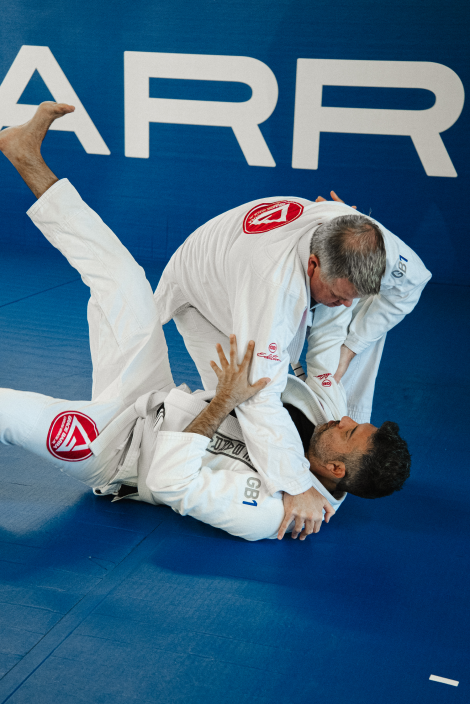
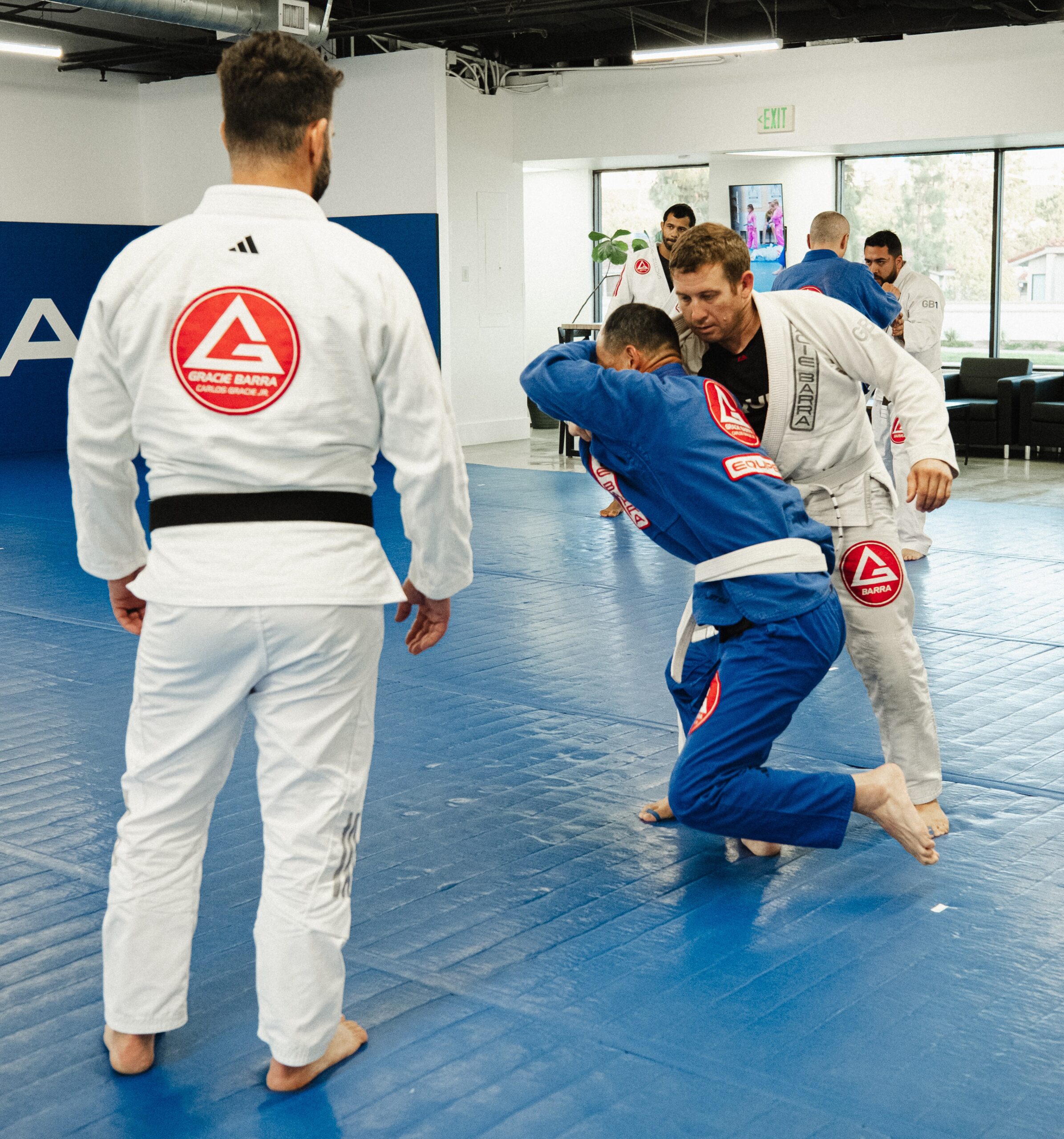
Live sparring is not where you begin. Most of the early work is drilling: practicing a movement slowly with a cooperative partner until it feels familiar. That structure gives an older beginner time to learn without being thrown into intense rounds on day one.
Jiu-jitsu has always attracted people at very different stages of life, and a look at who can train jiu-jitsu shows how wide that range is. On any given night, you may share the mat with college students, parents, and people well past 50.
What Changes When You Start Later in Life
Starting later does not mean training worse. It does mean paying attention to a few things that younger beginners often ignore until they become a problem.
Recovery Between Classes Needs a Plan
Many adults over 40 find that soreness lasts a little longer than it did a decade ago. Planning recovery between classes helps: spacing sessions with a rest day, sleeping well, and staying hydrated on training days.
A practical approach is to start with two classes a week and add a third only when you feel fresh walking into the next session. If you finish every week exhausted, the schedule is too ambitious for now, and that is easy to adjust.
Technique Wins Over Athleticism
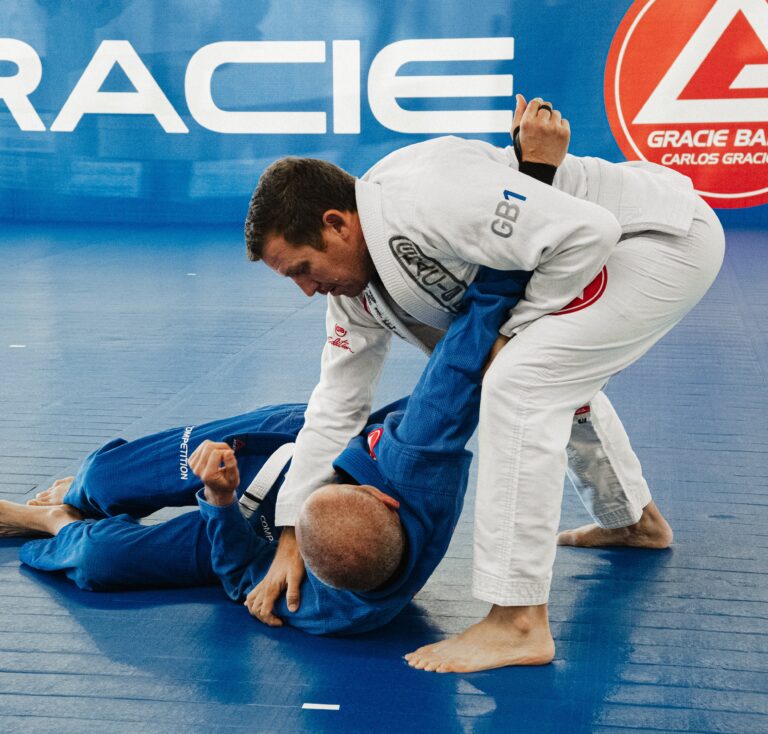
Younger beginners often try to muscle their way through positions and burn out within minutes. Adults who start later usually can't rely on that, which turns out to be an advantage. Relying on strength instead of technique is one of the most common beginner mistakes at any age.
When you can't win with speed or power, you pay closer attention to positioning, timing, and leverage. That habit tends to make your progress steadier, even if it feels slower in the first few weeks.
Choosing How You Train
One of the best parts of starting jiu-jitsu as an adult is that you get a say in how hard each session goes. You can train at your own pace, and good training partners will respect that.
At Gracie Barra Aliso Viejo, adults start in the GB1 white belt program for beginners, which introduces movement, escapes, and leverage step by step. It assumes no experience and no particular level of fitness, so you build conditioning while you learn.
Picking Partners and Setting the Pace
When live rounds begin, communication matters more than toughness. Telling a partner "let's go light, I'm new" is normal and expected. Choosing partners who move with control during your first months keeps the focus on learning.
Tapping early is part of that same mindset. Simple habits for staying healthy on the mats, like warming up properly and stopping when something feels wrong, matter even more when your goal is to keep training for years.
Before Your First Class
If you have a heart condition, past surgery, or an ongoing joint issue, check with your doctor before starting any new physical activity. That conversation is about knowing your limits, not about being told you can't train.
On the day itself, arrive a few minutes early and tell the instructor about any old injuries, like a bad shoulder or a stiff lower back. Wear comfortable athletic clothes for the first visit. Knowing these details lets the coach suggest adjustments during drills.
A Realistic Picture of the First Three Months
As an example, the first month might feel like learning a new language: lots of unfamiliar terms and movements that don't connect yet. By the second month, warmups usually get easier and a few positions start making sense. By the third, many people notice they are calmer when a drill gets difficult.
If you trained in your twenties and are coming back now, the experience can feel different from starting fresh. The guide on returning to BJJ after years away covers what usually feels familiar and what tends to need rebuilding.
DISCOVER Gracie Barra Aliso Viejo
CLICK HEREAge Shapes How You Train, Not Whether You Can
Starting jiu-jitsu after 40 comes down to a few sensible choices: a manageable schedule, honest communication with partners, and patience with your own learning curve. Those habits matter more than how fit you are on day one.
If you live in Aliso Viejo, Laguna Niguel, or Laguna Hills and have been putting off that first class, the coaches at Gracie Barra Aliso Viejo can help you pick a beginner session that fits your schedule.